Start with your plans
Why are you selling?
You may need more space; the children may have moved out and you want a home that’s easier to look after; or a new job, retirement or family plans may be taking you somewhere else. Some owners are selling an investment property. Knowing what comes next tells you what this sale needs to achieve.
What dates do we need to work around?
A start date at a new job, a child’s school year, the closing on your next home and the move itself can all shape when to list and when to close. Work out early which dates are fixed and which can move. Season is only one factor: competing listings, buyer demand and how ready your home is often matter more than the month. Our monthly Oakville market reports show where the market stands now.
How will the sale fund your next move?
If the proceeds will go toward your next home, first estimate what you’ll actually receive, then weigh it against your mortgage and closing dates to decide whether to buy or sell first. Selling first clarifies your budget but may require temporary accommodation. Buying first lets you secure your next home before selling, but you may need to carry both properties for a period.
What matters most to you?
A stronger price, a quicker sale, keeping pre-listing costs in check, or less disruption from showings and the move? These can pull against each other. Setting your priorities early gives every later decision a clear basis.
How long does the selling process take?
| Stage | Estimated time |
|---|---|
| Initial consultation, evaluation and planning | 1–2 weeks |
| Preparation, repairs and staging | 1–4 weeks or longer |
| Photography and marketing materials | A few days to 1 week |
| Listing to sale | Depends on the property and the market |
| Firm sale to closing | Often 30–90 days, as agreed in the contract |
These estimates are for planning only. Stages can overlap, and actual timing depends on the property, the market and your circumstances.
At our first meeting, we start with why you’re selling, what you have in mind, where you’re moving, and your timing and finances, then agree with you on the priorities and the plan for the sale.
Related: Rent or sell: how we analyse it, and requesting your own analysis →
What is your home really worth?
Buyers judge your home against the other properties available to them.
What goes into a market evaluation?
Recent sales show what buyers have actually paid. Active listings show the choices buyers have today. Homes that came off the market unsold also offer clues about what buyers will accept, though they don’t show why they didn’t sell. Location, lot, size, layout, condition and distinctive features then account for the differences.
Three prices that mean different things
| Price | What it means |
|---|---|
| Market value | An informed estimate, usually a range, based on comparable properties and current conditions. |
| Listing price | An asking price set as a strategy to attract the right buyers. |
| Sale price | The price the buyer and seller finally agree on. |
Will you recover what you spent on renovations?
Not necessarily. Buyers pay for space, quality and upkeep that suit them, but they may not value every improvement at what it cost. Your home’s distinctive features also need to be presented in a way buyers can understand.
Even if you have no plans to sell, it is worth hearing from an experienced real estate agent before making major repairs, renovations or layout changes. That way you can meet today’s needs while keeping your home’s future market value in view.
We visit your home before giving a market evaluation, then select genuinely comparable sales and competing listings and explain the differences behind our assessment. The initial evaluation is for planning; before listing, we confirm it against your home’s final condition and the latest market.
Related: How our home consultation works →
Choose an agent who helps you make informed decisions
Listen to what agents say, then look at how they actually work.
Six questions worth asking
- Who is most likely to buy my home?
- What is your evaluation based on?
- Which improvements are worth making before listing, and which can I skip?
- Can you show me work on similar properties and explain the approach you took?
- If my home receives no offers, how will you assess the situation and adjust?
- Who handles preparation, communication, negotiation and closing?
Before you sign
In Ontario, your agent will give you the RECO Information Guide before you enter a representation agreement. It explains your rights and the relationship between agents and their clients.
A listing agreement sets out the term, commission, services, responsibilities and other conditions. Before signing, make sure you understand how commission is calculated, whether HST is added, and what happens if the agreement ends early. You may wish to have a lawyer review it.
Be clear on costs and responsibilities
Which services will your agent arrange and pay for, and which costs are yours? If the home doesn’t sell, how are costs already incurred handled? These points should be discussed before you sign and set out in the written agreement.
Once the agreement is signed, we build a listing plan with you covering the preparation work, budget, responsibilities and timeline. Whenever a decision is needed, we give you our recommendation and the reasons for it; the decision is yours.
Related: Sales stories and recent sales → · Client reviews →
Spend where it counts
Preparation helps the right buyers see your home’s value.
| Preparation | How to decide |
|---|---|
| Safety issues, leaks, visible damage | Find the cause first, assess repair and disclosure obligations, and deal with it openly. |
| Cleaning, decluttering, garden, paint touch-ups | Usually low cost, with a clear effect on first impressions and sense of space. |
| Lighting, flooring, selective kitchen updates | Weigh the likely buyers, competing homes, budget and timeline. |
| Major renovation | Assess cost, time and potential added value carefully before committing. |
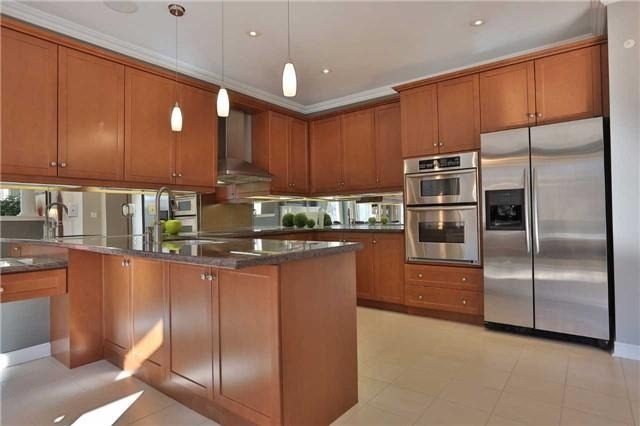
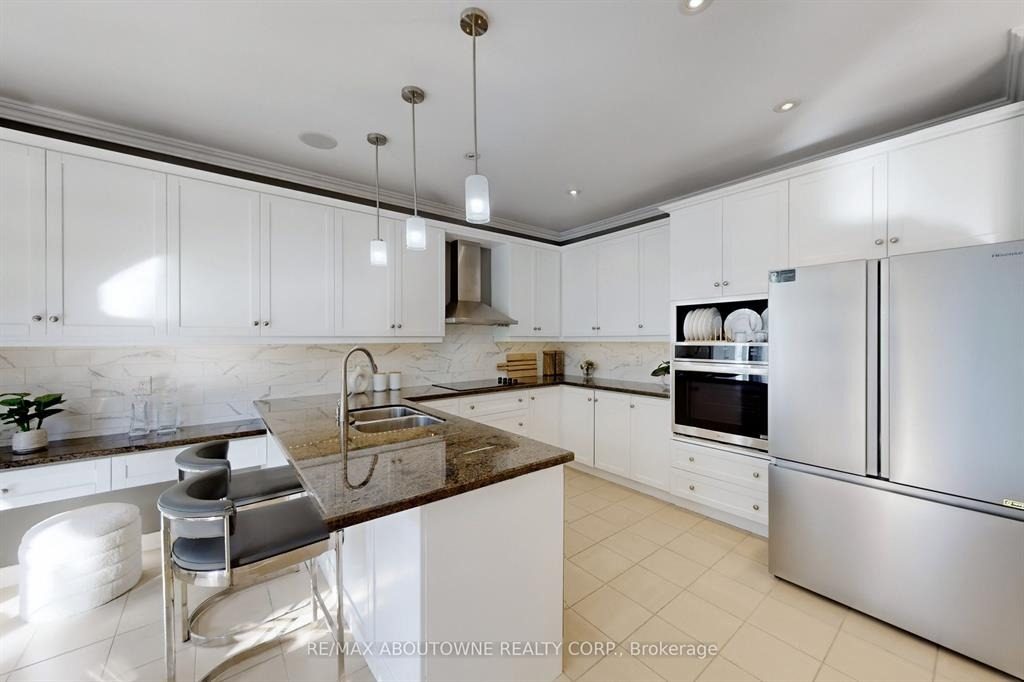
3374 Fox Run — Keeping the existing kitchen
We recommended keeping the existing kitchen. The homeowners agreed and had the light-brown cabinets painted white; together with fresh paint throughout and new main-floor lighting, this lifted the whole kitchen for a modest investment. Read the Fox Run story →
We arrange professional staging (up to three months) and deep cleaning, and plan photography, video and other marketing materials around the home. Repairs and selective improvements go ahead only with your approval. The specific arrangements are set out in the listing agreement.
Help the right buyers see the value
Understand the likely buyers first, then decide how to present and market the home.
Set the asking price in the context of the market
A price well above comparable choices can lead buyers to skip your home in their online search; a competitive price doesn’t guarantee multiple offers either. Your strategy should reflect supply and demand, competing listings, your timeline and your tolerance for risk.
| Property type | What buyers want to know | How to present it |
|---|---|---|
| Family home | Will it work for everyday life? | Floor plans and photos that show the layout, bedrooms, storage and yard. |
| Custom home | What is the real value of the design? | Show how the spaces feel, and the materials, craftsmanship and upkeep. |
| Property valued for its land | Can the lot support the buyer’s plans? | Lot size, existing conditions and planning details; renderings labelled as illustrations. |
Examples from homes we’ve sold
- 2072 GlenadaA three-bedroom link home that drew two offers in its first week in September 2026, when Oakville sales hit a multi-year low for the month.
- 1364 ActonThe property video and 12-page brochure made for this home.
We shape the photography, floor plans, description and marketing around the likely buyers, so they can see the space, condition and features clearly and judge whether the home suits them. Bob personally selects the photographs and signs off on the video and brochure. Before listing, we confirm the asking price and showing arrangements with you.
Read what the market is telling you
Living at home while it’s for sale
Showings are booked online, and you confirm each appointment. Before listing, agree on how much notice you need, which hours work, and what to do about pets and valuables. Buyers usually view with their own agent, so you don’t need to be home.
No offers? Start by finding out why
| Market response | What to check |
|---|---|
| Little online interest, few showings | Is the price within buyers’ search range? Are the lead photo, listing details and promotion working? |
| Online interest, but few showing requests | Do the photos and description show the home’s value? Are showings easy to arrange? |
| Plenty of showings, no offers | Do buyers keep raising the same concern about condition, layout or price? Are competing homes more appealing? |
| Offers well below asking | Weigh recent sales, the offer terms and other buyers’ reactions to reassess what the market will accept. |
When should you adjust?
The timing depends on the home. Agree on review points before listing, and discuss promptly when a new competing listing, an important sale or recurring feedback appears. The response might be better presentation, fixing an issue, a price change, or continuing to wait when the evidence supports it.
After each showing, we follow up with the buyer’s agent the same evening or the next day, keep watching competing listings and sales, and send you a written progress update every week, by email or WeChat. You deal directly with Bob and Elisa throughout; for Chinese-speaking homeowners, we also set up a WeChat group so every question gets a timely answer.
Compare offers on all their terms
An offer is only as good as its chances of closing as agreed.
What to compare, offer by offer
- Price
- Offer expiry
- Deposit and due date
- Financing, inspection and other conditions
- Closing date
- Included items and other requirements
- Key risks
- Estimated net proceeds
What can you do when an offer arrives?
You can accept it, reject it or counter before it expires. A counteroffer can change the price, dates, conditions or other terms, and it generally rejects the original offer. Multiple offers are handled under Ontario rules and your instructions.
Price depends mainly on finding the buyer who truly values your home. Bob leads the negotiation, explaining each offer’s conditions, deadlines and risks, and weighs it against recent sales, other buyer interest and your priorities to set out the pros and cons of accepting, countering or waiting. The final decision is yours.
What happens after you accept an offer?
| Stage | Key tasks |
|---|---|
| After acceptance | Confirm deposit, condition and closing dates; contact your lawyer early. |
| Conditional period | Accommodate agreed inspections; follow up on written waivers or fulfilment of conditions. |
| After the sale is firm | Arrange moving, mortgage discharge, rental equipment contracts and agreed repairs. |
| Before closing | Allow buyer visits under the contract; remove agreed items and keep the home in the agreed condition. |
| Closing day | Your lawyer handles funds, title registration and the legal closing; keys are released as arranged. |
Easy to overlook
Known property issues, rental equipment, existing tenants, open permits and unfinished repairs should be raised with your agent and lawyer early. A sale doesn’t end an existing tenancy on its own; vacant possession requires a lawful basis.
We track every deadline in the transaction, coordinate with you, the buyer’s agent and both lawyers, and give you a closing checklist through to handover. Your lawyer handles the legal and financial side of closing.
How much will you actually receive?
Before budgeting for your next home, estimate the funds a sale will leave you.
| Item (CAD) | Example |
|---|---|
| Sale price | $1,500,000 |
| Less: mortgage balance | $500,000 |
| Less: mortgage prepayment costs | $5,000 |
| Less: commission and HST | $60,000 |
| Less: legal and other closing costs | $2,500 |
| Plus/minus: closing adjustments | $0 |
| Estimated net closing proceeds | $932,500 |
| Less: separately paid preparation and moving costs | $4,000 |
| Estimated available funds (before tax) | $928,500 |
For illustration only. The commission and HST figure is hypothetical and is neither a standard rate nor a quote from our team. Actual amounts depend on your agreements, your lender and your lawyer’s closing statement.
Consider taxes separately
A qualifying principal residence may be fully or partly exempt from capital gains tax, but the sale must still be reported. Investment properties, changes in use, short-term resales and sales by non-residents may involve other tax rules and withholding. Talk to your accountant and lawyer before you sell.
Gather key documents early
| Documents to gather | To review with your agent |
|---|---|
| Property tax bill and survey, if available | Selling goals, timeline and budget |
| Renovation and repair records, permits, warranties | Property features, known issues and disclosure |
| Lender details and mortgage discharge statement | Scope of repairs, cleaning and staging |
| Rental equipment contracts; leases, if applicable | Photography, materials, asking price and showings |
| Condominium management information, if applicable | Offer strategy, lawyer and closing milestones |
Common terms
- Listing Agreement
- the agreement appointing the brokerage to market your home and represent you in the sale
- MLS®
- the system agents use to share listings
- Offer
- a written proposal to buy on stated terms
- Deposit
- paid as the agreement requires; usually credited to the price on closing
- Conditions
- e.g. financing or inspection, to be met or waived by a deadline
- Firm sale
- a sale with no outstanding conditions
- Closing
- transfer of ownership and funds
- Statement of Adjustments
- the closing summary of costs adjusted between buyer and seller
This guide provides general information about selling residential property in Ontario. It is not legal, tax or financial advice. Individual transactions are governed by their written agreements and professional advice.